Geisha

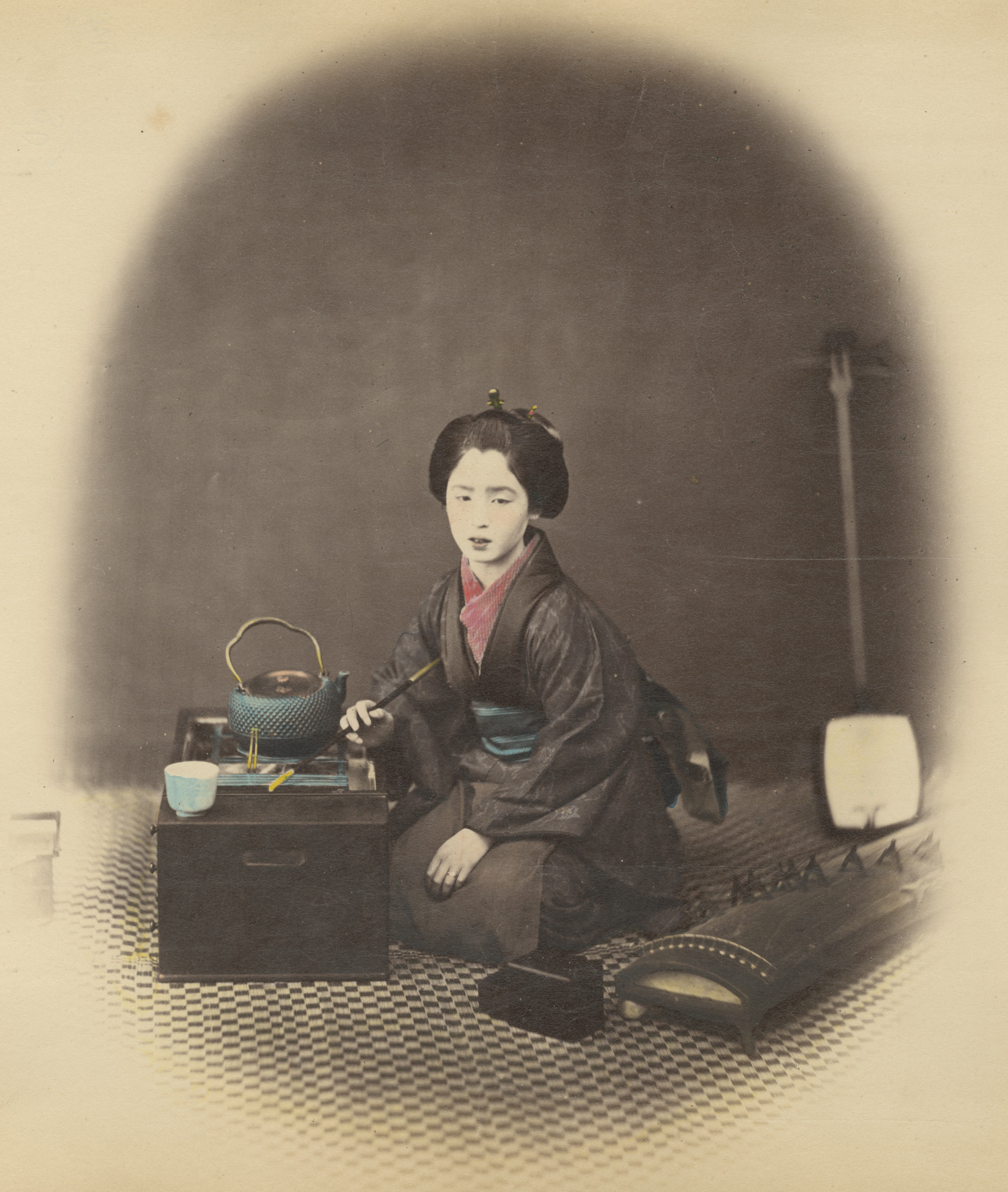
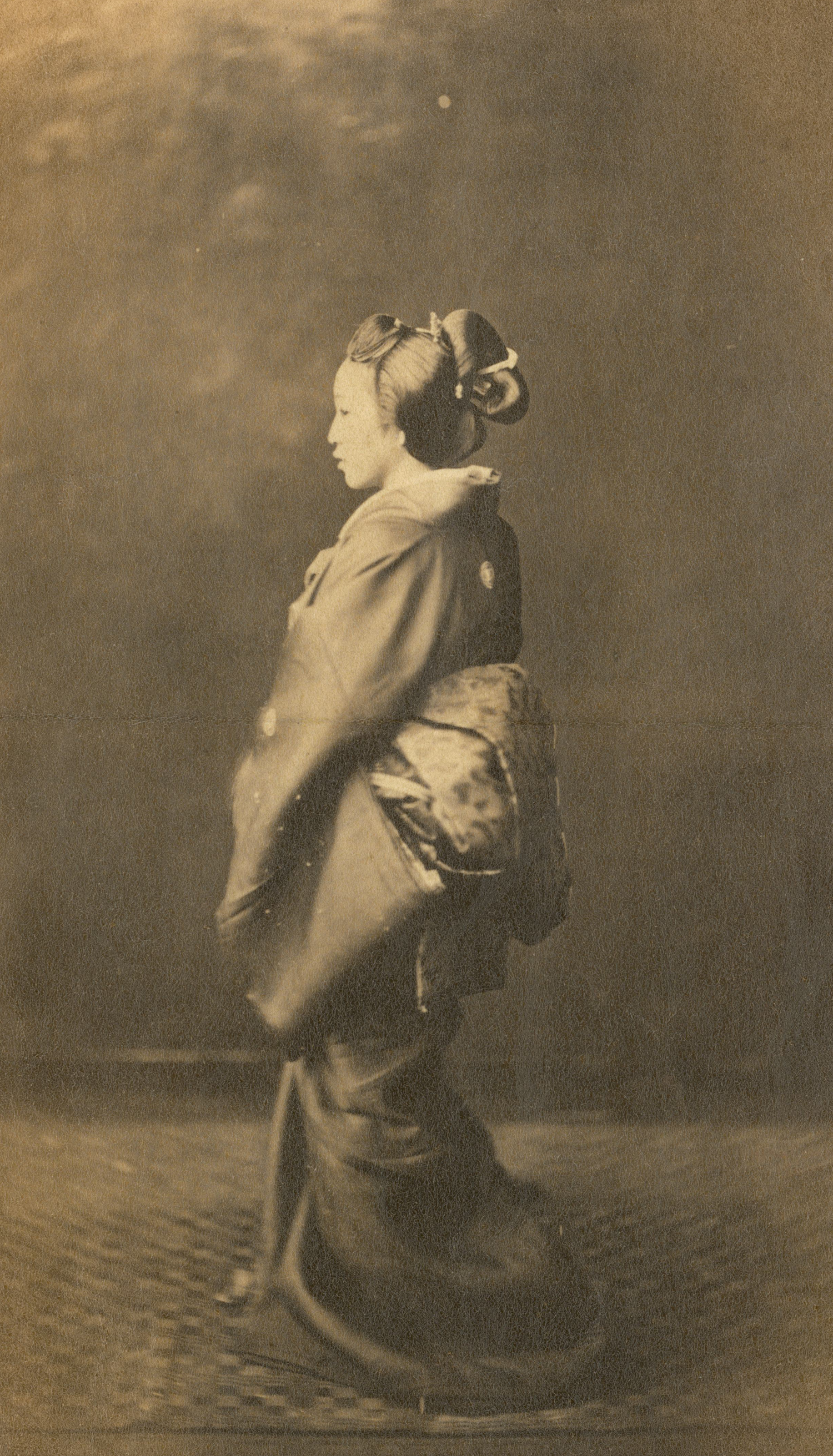
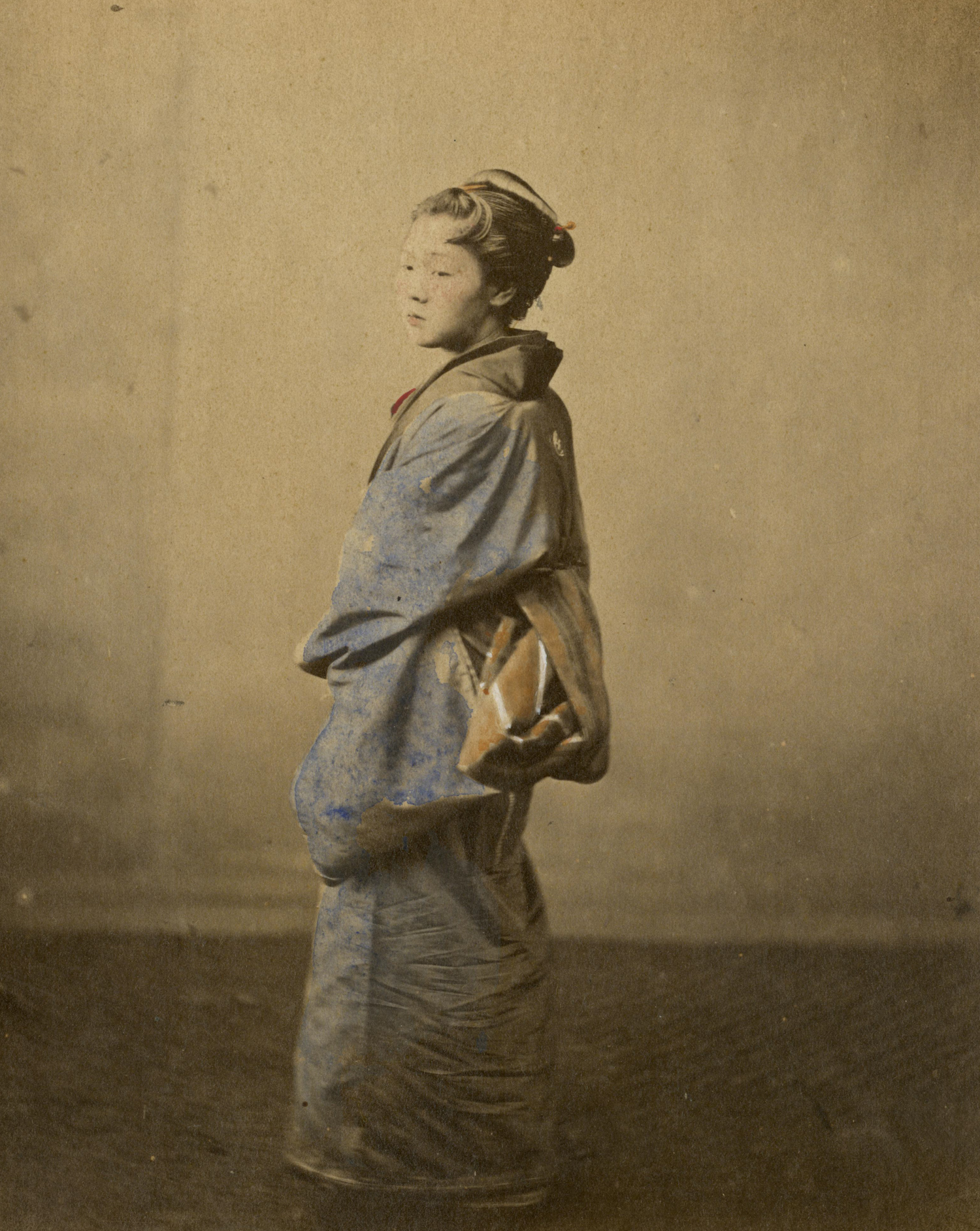
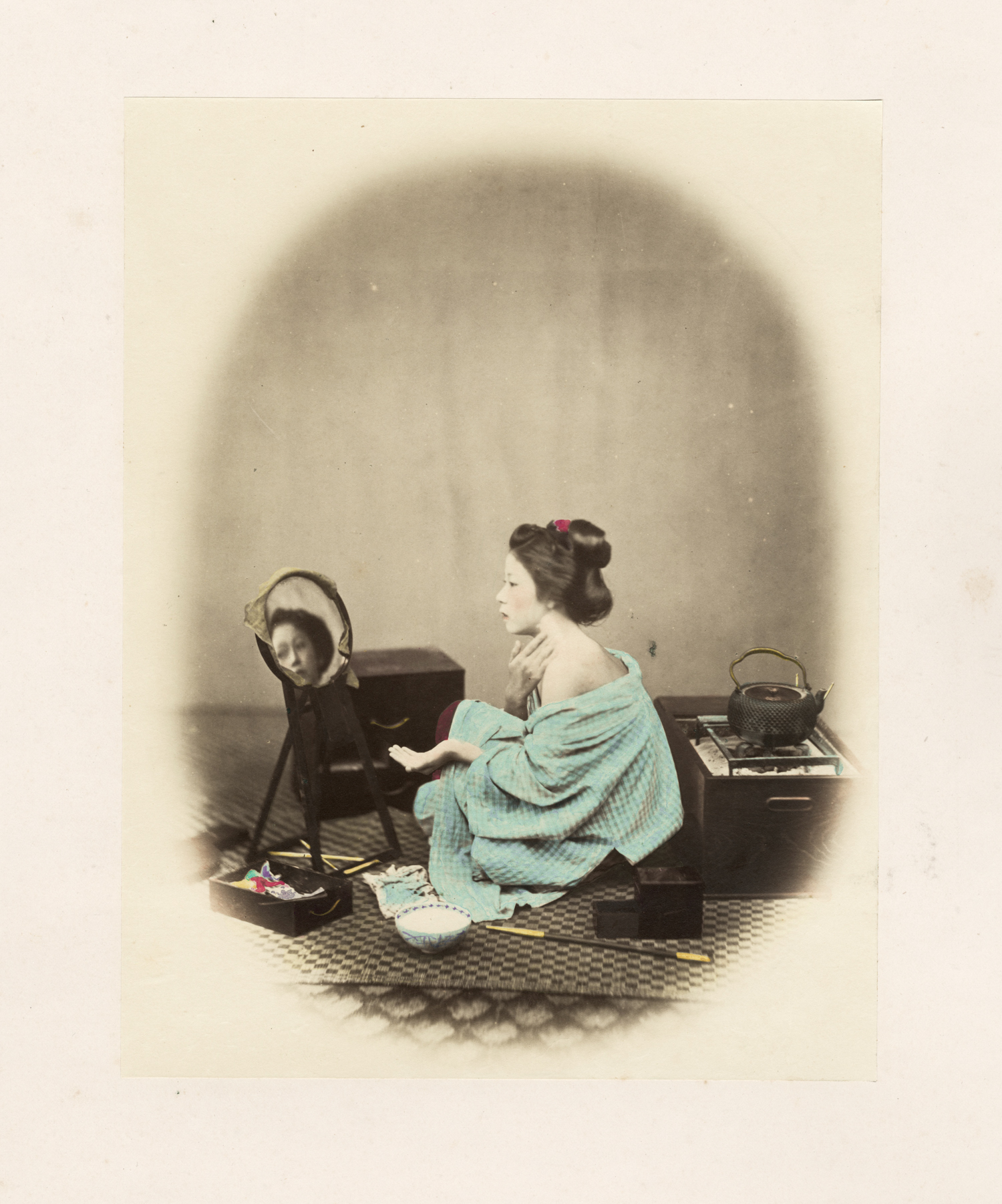
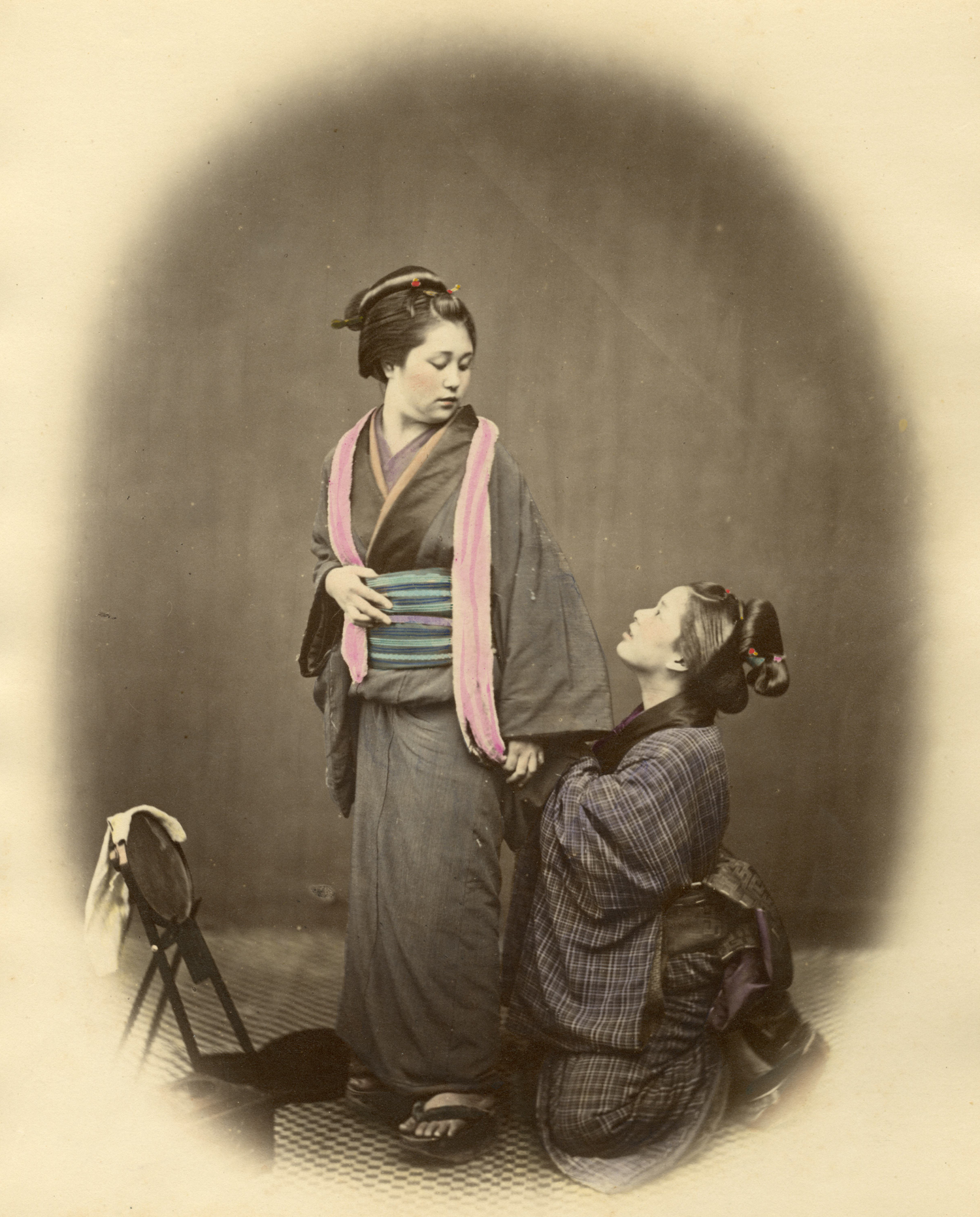
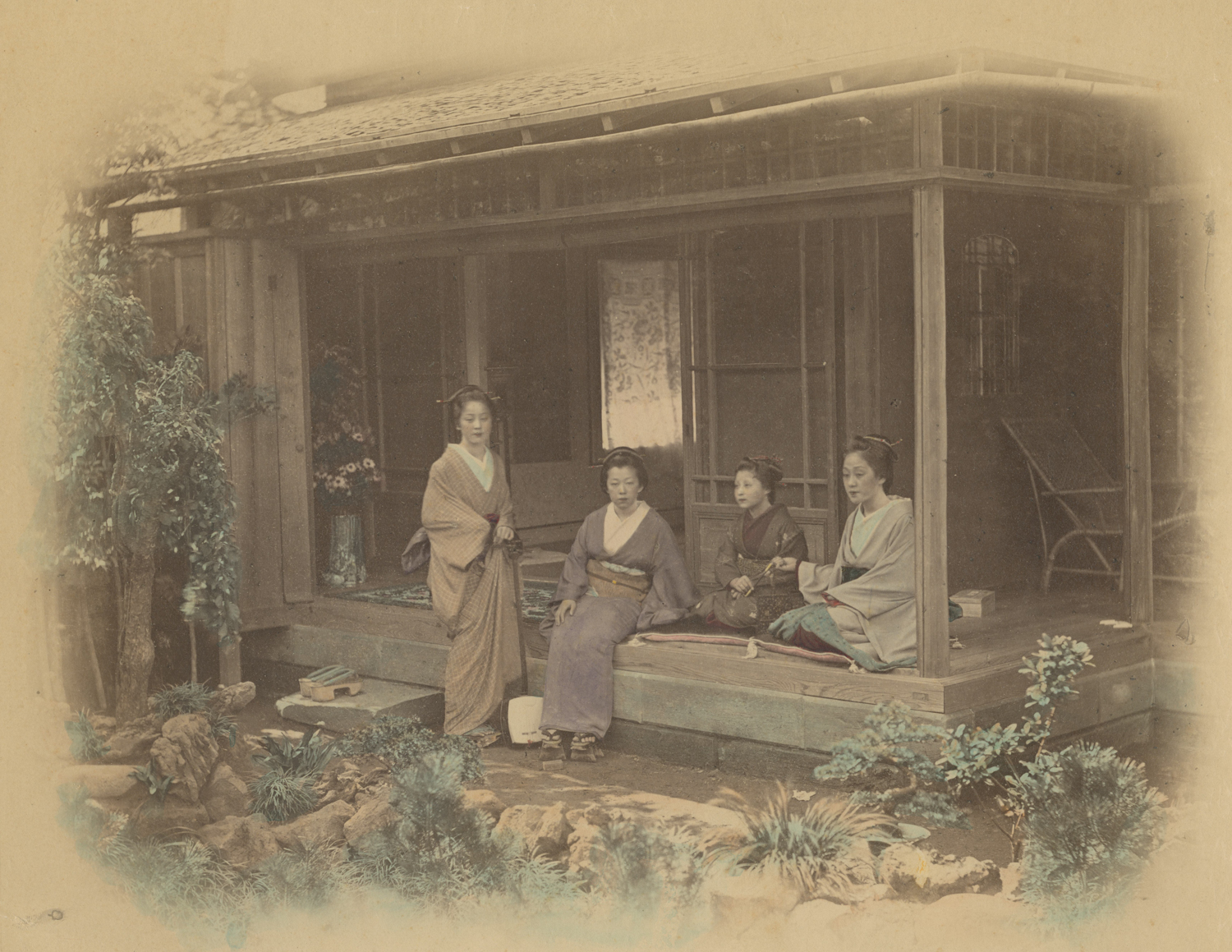
Beato’s photographs of geisha and samurai embody ideas that Westerners had about Japanese women and men. Geisha were women highly trained in dance and music, rather than prostitutes. In reality, Beato’s geisha were women whom he dressed up in kimono and posed in his studio with the accouterments of a geisha’s profession.

Beato’s “geisha” are shown putting on make-up, playing the samisen (an instrument identified with female performers), and sometimes with a pipe—rather than for tobacco, foreigners surmised it was for opium. The framing of the oval vignette adds an element of voyeurism to these erotic scenes.
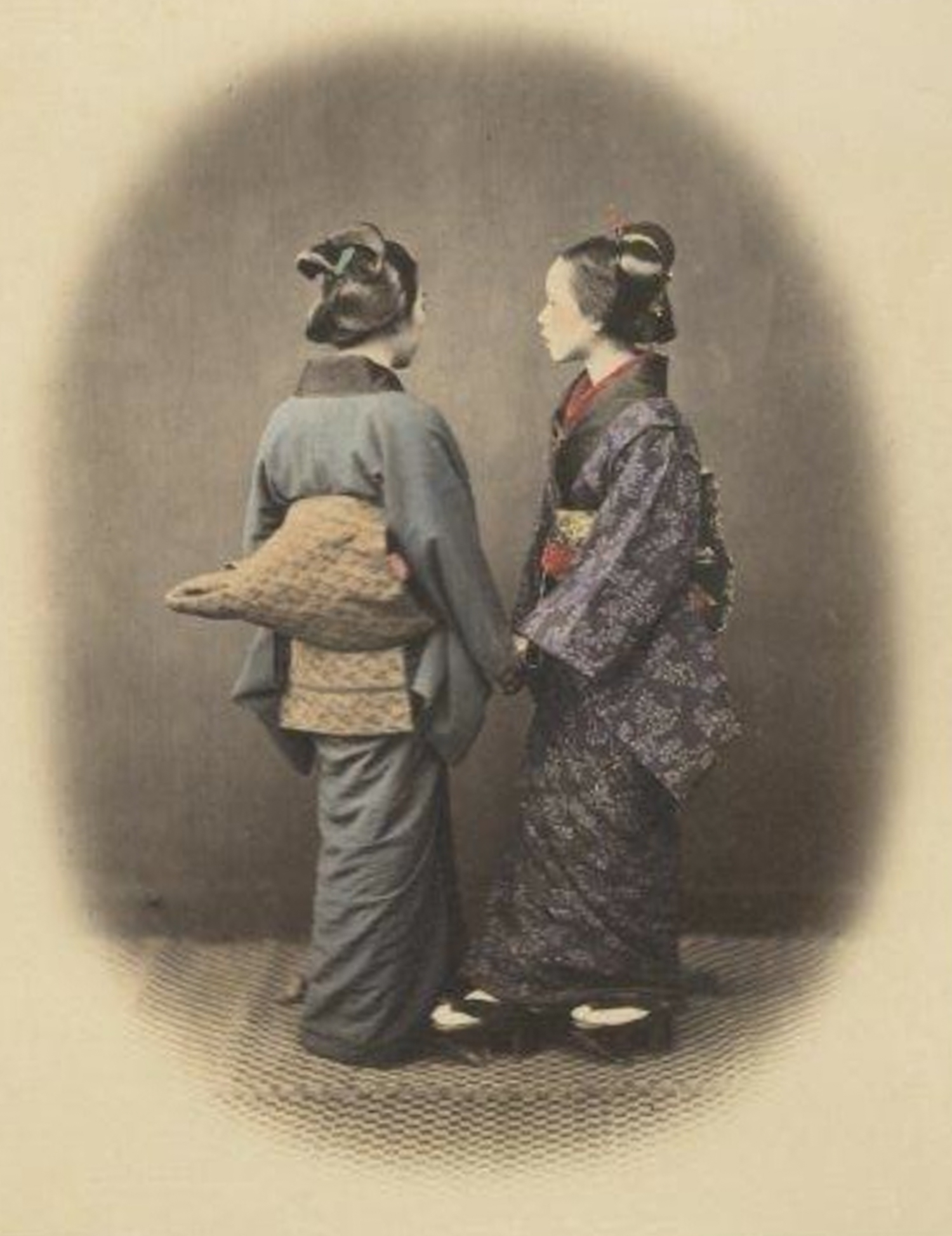
Allies, about 1867–68. Hand-colored albumen silver print.
Geisha at a Tea House (Geisha on Charles Longfellow’s Veranda), Tokyo, 1872. Hand-colored albumen silver print.
Seated Woman with Pipe, about 1867–68. Hand-colored albumen silver print.
Standing Woman, about 1863–66. Albumen silver print.
Standing Woman, about 1863–66. Hand-colored albumen silver print.
Woman Applying Cosmetic, about 1865–68. Hand-colored albumen silver print.
Woman with Attendant, about 1867–68. Hand-colored albumen silver print.
previous arrow
next arrow
 
<i>Allies,</i> about 1867–68. Hand-colored albumen silver print.
<i>Geisha at a Tea House (Geisha on Charles Longfellow’s Veranda),</i> Tokyo, 1872. Hand-colored albumen silver print.
<i>Seated Woman with Pipe,</i> about 1867–68. Hand-colored albumen silver print.
<i>Standing Woman,</i> about 1863–66. Albumen silver print.
<i>Standing Woman,</i> about 1863–66. Hand-colored albumen silver print.
<i>Woman Applying Cosmetic,</i> about 1865–68. Hand-colored albumen silver print.
<i>Woman with Attendant,</i> about 1867–68. Hand-colored albumen silver print.
previous arrow
next arrow